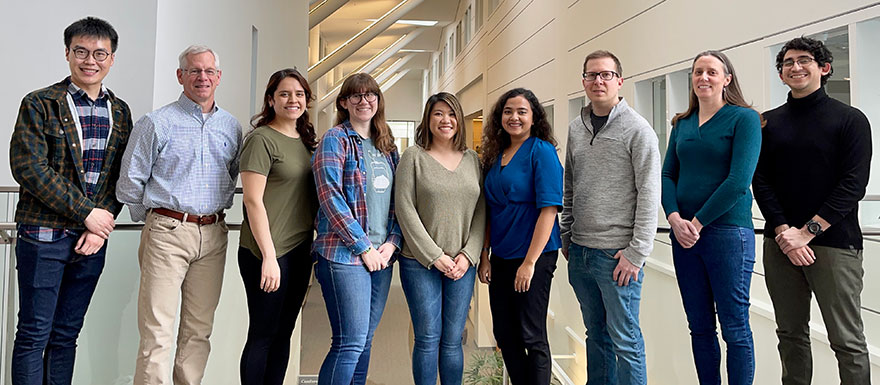
Our lab utilizes biochemical, biophysical, cell biological, and computational techniques to understand the mechanisms of chromosome segregation during cell division in human cells. We are determining the mechanisms that drive chromosome movement and ensure error-free mitosis and the mechanisms that contribute to the orderly assembly of microtubules into the bipolar spindle apparatus.
Chromosomes must segregate accurately at each cell division. Chromosome mis-segregation leads to aneuploidy, a condition that is common in solid tumors. Many aneuploid tumor cells mis-segregate chromosomes at very high rates in a phenomenon called chromosomal instability. We are currently using biochemical and cell biological techniques to determine the underlying cause of chromosomal instability in human tumor cells (chromosome segregation). We plan to use this information to build models where we can directly test how chromosomal instability contributes to the tumorigenic phenotype.
Principal Investigator
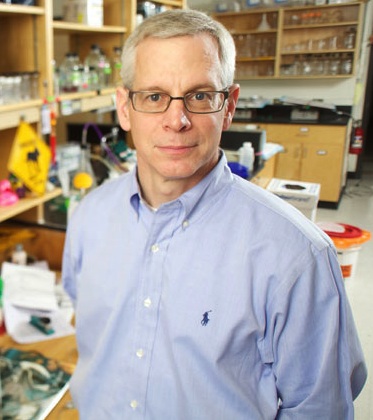
Duane Compton, PhD
Professor of Biochemistry
Duane.Compton@Dartmouth.edu
Research Group Members
Thomas Kucharski, PhD
Postdoctoral Fellow
Quantitative phosphorylation during mitosis
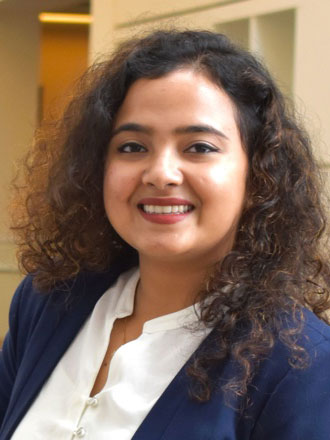
Shrea Bural
Graduate Student
Cyclin A regulation of mitosis
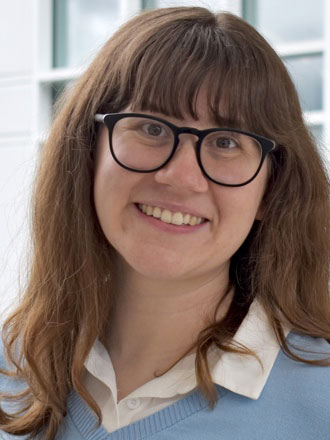
Melissa Parks
Graduate Student
Chromosome movement in mitosis
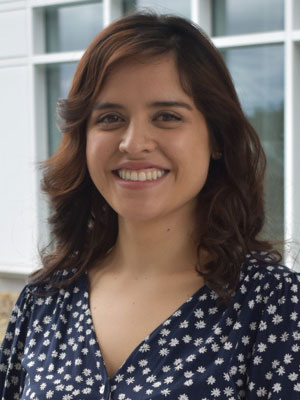
Sarah Valles
Graduate Student
Cyclin A phosphorylation of mitotic proteins
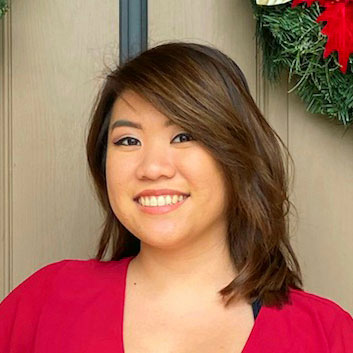
Amanda Ya
Graduate Student
Human embryonic stem cells