October 2023
Jennifer Loros Receives the 2023 B. O. Dodge Award
Dr. Jennifer Loros, PhD, Professor of Biochemistry & Cell Biology and of Molecular & Systems Biology, received the B. O. Dodge Award in recognition of sustained exceptional contributions to the Neurospora community. The award is named in honor of Bernard O. Dodge, who established Neurospora as a model research organism, and is given to scientists for their collaborative contributions to Neurospora research. Dr. Loros presented the keynote Dodge Award Lecture at the Annual Neurospora Meeting on October 3, with the title “Stories from a Collegial Life.” Dr. Loros has pioneered the genetic dissection of the circadian clock and clock-controlled gene expression for over 35 years and has trained and mentored generations of scientists for successful careers.
August 2023
2023 ASCB Fellow
Soni Lacefield - Dartmouth
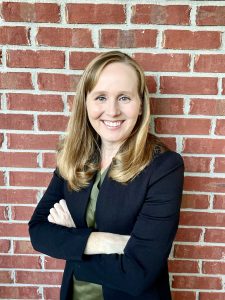
It is with great honor that we celebrate Soni on her achievement of being elected as a 2023 ASCB Fellow. Election as a Fellow of ASCB is an honor bestowed upon ASCB members by their peers. Fellows are recognized for their meritorious efforts to advance cell biology and/or its applications, and for their service to the Society. Successful nominees will be scientists who have had a significant and sustained impact on one of the mission areas of ASCB: advancing scientific discovery, advocating sound research policies, improving education, promoting professional development, or increasing diversity in the scientific workforce.
April 2023
Chenhui Deng & Frieda Kage receive
2022 E. Lucile Smith Award for Scientific Excellence in Biochemistry
The Department of Biochemistry & Cell Biology is pleased to announce Chenhui Deng and Frieda Kage as the recipients of the 2022 E. Lucile Smith Award for Scientific Excellence in Biochemistry. The Smith Awards honor the ground-breaking career of Dr. E. Lucile Smith, the first woman to attain the rank of Professor of Biochemistry at the Geisel School of Medicine at Dartmouth. Chenhui and Frieda received this award in recognition of their exceptional research accomplishments during the past year. The Dr. E. Lucile Smith awards are funded by the generosity of Dr. Smith’s nephew Gray Parker, his wife Mary Kay, and the Booth-Bricker Fund.
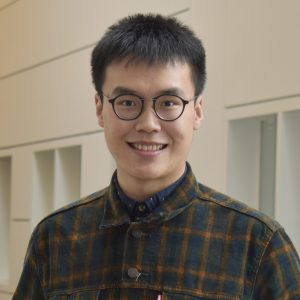 Chenhui is being recognized for his accomplishments as a Ph.D. candidate in the labs of Dr. Duane Compton and Dr. Kristina Godek. Chenhui joined the Compton and Godek Labs in June 2019, where his research focuses on the causes and consequences of aneuploidy with incorrect numbers of chromosomes during early human development using human pluripotent stem cells (hPSCs) as a model system. Previous studies have shown that chromosome segregation errors are surprisingly common in human totipotent and pluripotent embryonic cells, resulting in aneuploidy being the leading cause of miscarriages and birth defects. Yet, the underlying mechanisms are not well understood, especially for mitotic errors. Combining quantitative microscopy, live-cell imaging, and biochemical approaches, Chenhui found that the most frequent mitotic error in hPSCs is lagging chromosomes caused by improper microtubule attachments. He further investigated the strategies using small molecules to reduce mitotic errors in hPSCs. Collectively, Chenhui’s work demonstrates that a low mitotic fidelity is an inherent and conserved phenotype of hPSCs. Importantly, chromosome segregation fidelity depends on developmental state in normal human cells, with mitotic error rates increasing upon gain and decreasing upon loss of pluripotency. This work was recently published and featured as the cover in the February 2023 issue of Stem Cell Reports.
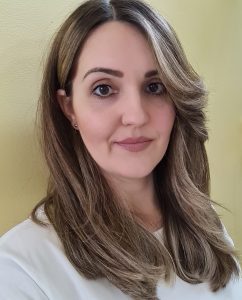 Frieda is being recognized for her accomplishments as a postdoctoral research scientist in the lab of Dr. Harry Higgs. She graduated with her Ph.D. in Molecular Cellular Biology from Rheinische Friedrich-Wilhelms University and joined the Higgs Lab in February 2019. Frieda’s projects in the Higgs lab encompass two different actin-based structures, “Calcium-induced actin” (CIA) assembled on endoplasmic reticulum, and “Acute damage-induced actin” (ADA) assembled on mitochondria. CIA and ADA are controlled by different actin-binding proteins upon different stimuli, resulting in different cellular consequences. CIA causes mitochondria to divide. ADA occurs when mitochondria fail and appears to be important in maintaining cellular energy supply during this situation. Mitochondria dysfunction is associated with many diseases of aging, including neurodegeneration, so they feel understanding these actin-based structures will help in understanding the aging process. In Frieda’s work published in Molecular Biology of the Cell in 2022, she combined gene-editing tools, such as CRISPR, with quantitative microscopy and biochemical assays to reveal how CIA promotes mitochondrial division. In her work published in Current Biology in 2022, she uncovered the converging pathways leading to ADA formation on mitochondria.
February 2023
Congratulations to the Biochemistry & Cell Biology Program 2022 Graduates!
Adrianna De La Torre (Chang Lab)
Senior Associate at Clarion Healthcare
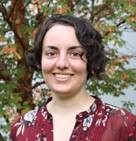
Brooke Brauer (Kettenbach Lab)
Senior Scientist at Mass Spectrometry
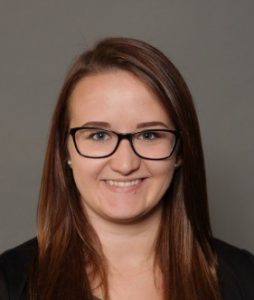
Brae M. Bigge (Avasthi Lab)
Discovery Scientist at Arcadia Science
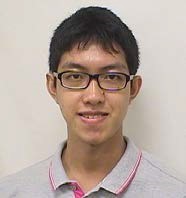
Tak Shun Fung (Higgs Lab)
Research Fellow at Sloan Kettering Institute
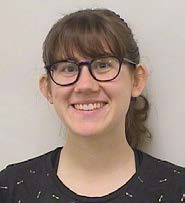
Melissa Parks (Compton Lab)
Senior Scientist II at Novartis Institute of Biomedical Research
January 2023
Happy New Year and Welcome Dr. Soni Lacefield!
We are very pleased to announce that Soni Lacefield has joined the Department as Professor of Biochemistry and Cell Biology. Her research group investigates meiotic cell cycle regulation and chromosome segregation. Members of the Lacefield lab include postdoctoral associate Gisela Cairo and graduate students Pallavi Gadgil, Batula Robow and Somdutta Paul. Please join us in welcoming the Lacefield lab!
August 2022
Dr. Surachai Supattapone Receives
NINDS Javits Neuroscience Investigator Award
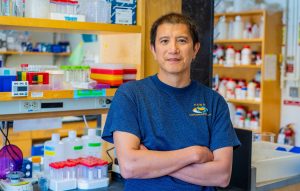 Surachai Supattapone, MD, PhD has received the prestigious Javits Neuroscience Investigator Award which will fund his lab’s prion research for up to seven years. This award was administered by the National Institute of Neurological Disorders and Stroke (NINDS) in recognition of Dr. Supattapone’s scientific excellence and advances made toward neurological research. This special honor is an acknowledgement of the great work performed by Dr. Supattapone and all his lab members over the past 20 years.
Read the full Geisel News Article
June 2022
BCB Students Receive NIH Fellowship Awards
Two graduate students in the Biochemistry & Cell Biology program received highly sought NIH Fellowship Awards this spring. Congratulations to José Delgado, a fourth year PhD student in the Shoemaker Lab, and Kali Smolen, a fifth year MD/PhD student in the Kettenbach lab, on their accomplishments.
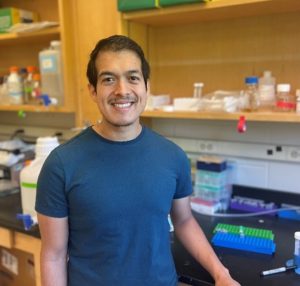
José received the F31 Ruth L. Kirschstein National Research Service Award (NRSA) Individual Predoctoral Fellowship to Promote Diversity in Health-Related Research award. He will receive funding for his project titled: Molecular Mechanisms of FUNDC1-Mediated Mitophagy. José’s research will examine molecular mechanisms that facilitate autophagic degradation of mitochondria and organelle quality control in response to low oxygen.
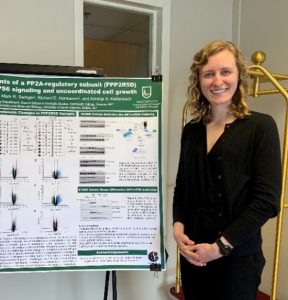
Kali received the F30 Individual Predoctoral MD/PhD Fellowship. Kali will receive funding for her project titled: Regulation and Function of PP2A-B56delta. Kali’s project will focus on investigating the role of this major phosphoprotein phosphatase and how it modulates the oxidative stress response through the protein OXR1.
May 2022
Adrianna De La Torre & Kristi Miller receive
2021 E. Lucile Smith Award for Scientific Excellence in Biochemistry
The Department of Biochemistry & Cell Biology is pleased to announce Adrianna De La Torre and Kristi Miller as the recipients of the 2021 E. Lucile Smith Award for Scientific Excellence in Biochemistry. The Smith Awards honor the ground-breaking career of Dr. E. Lucile Smith, the first woman to attain the rank of Professor of Biochemistry at the Geisel School of Medicine at Dartmouth. Adrianna and Kristi received this award in recognition of their exceptional research accomplishments during the past year. The Dr. E. Lucile Smith awards are funded by the generosity of Dr. Smith’s nephew Gray Parker, his wife Mary Kay, and the Booth-Bricker Fund.
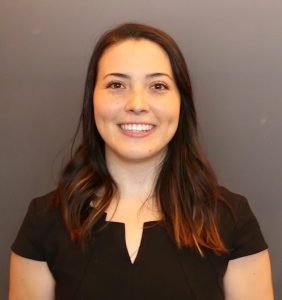
Adrianna is being recognized for her accomplishments as a Ph.D. candidate in the lab of Dr. Ta Yuan Chang. Adrianna successfully defended in April 2022 and will formally graduate with her Ph.D. in June. Adrianna’s research focuses on developing nanoparticles encapsulating acyl-CoA:cholesterol acyltransferase (ACAT) inhibitors. ACAT is involved with cholesterol regulation and homeostasis by converting free cholesterol into cholesteryl esters for storage in the cell. Previous studies from the Chang lab and others have shown the benefits of inhibiting ACAT in atherosclerosis, neurodegenerative diseases, and certain forms of cancer. ACAT inhibitors are readily available, however, methods to encapsulate and deliver ACAT inhibitors by nanoparticles have not been reported. In her most recent work, Adrianna developed and characterized a stealth lipid-based nanoparticle system to facilitate the delivery of a potent ACAT inhibitor. This work was recently published in J Neurosci Methods.
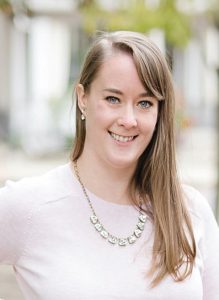
Kristi is being recognized for her accomplishments as a postdoctoral research scientist in the lab of Dr. James Moseley. She graduated with a Ph.D. in Molecular Cellular and Developmental Biology from The Ohio State University and joined the Moseley Lab in June 2019. Kristi’s initial project in the Moseley lab revealed a new mechanism of t-SNARE regulation in fission yeast. Combining quantitative microscopy and genetic approaches, Kristi and co-authors found that clustering of a conserved t-SNARE Psy1 (S. pombe Syntaxin) into multi-protein nodes at non-growing fission yeast cell sides restricts exocytosis to growing cell tips. Collectively, this work identifies a new mechanism that contributes to spatial control of polarized cell growth. This work was published in Molecular Biology of the Cell in 2021. Kristi’s current research focuses on how cells control their size.
April 2022
Elaina Melton Selected as Associate Director of Research Projects in the Department of
Pathology and Laboratory Medicine at Emory University School of Medicine
Congratulations to Elaina Melton, PhD on her new role as Associate Director of Research Projects in the Department of Pathology and Laboratory Medicine at Emory University School of Medicine. Elaina spent 7 years in the Biochemistry and Cell Biology department at Geisel School of Medicine at Dartmouth. She completed her post-doctoral training, then served as a Research Scientist, with Ta Yuan Chang and Cathy Chang. Elaina’s research aims to understand the mechanisms linking cholesterol metabolism to inflammation. After departing Dartmouth in 2019, Elaina spent two years as a Research Assistant Professor at Georgia State University.
December 2021
BCB Labs Present Research at the 69th ASMS Conference
on Mass Spectrometry and Allied Topics
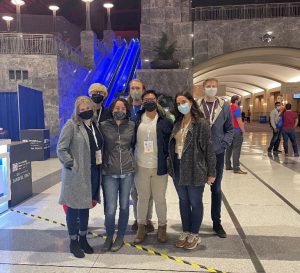
The Kettenbach and Gerber Labs recently returned from the American Society for Mass Spectrometry’s (ASMS) 69th national conference in Philadelphia, PA. In total, 4 graduate students from each lab were selected to present their research. While each student’s presented project was rooted in MS-based research, the goals and approaches for each project varied greatly. Presented works ranged from studying fundamental research, such as optimizing a variety of molecular tools that enable novel interactome mapping of major signaling networks, to translational research targeting clinical use, such as using global quantitative proteomics to facilitate tumor classifications and biomarker discovery in patient tissue and blood samples.
When not presenting, students took the opportunity to participate in workshops, lectures, poster sessions, and exhibits covering a broad array of mass spectrometry-related topics.
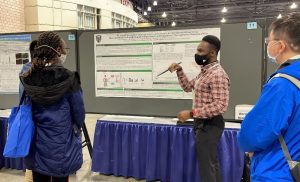
Furthermore, this year’s ASMS conference included over 5,000 attendees from the academic community, research institutions, government organizations, and commercial companies, thus, granting the graduate students an extraordinary opportunity to network and exchange ideas with some of the best and brightest minds in the field. Overall, the conference was a success and has proved to be a great impact and accomplishment for the BCB labs that attended.
Written by Natasha Mariano
November 2021
Thao Huynh Receives Dartmouth’s PhD Innovation Fellowship
Congratulations to Thao Huynh of the Chang Lab, who was selected as a Guarini PhD Innovation Program Fellow. The PhD Innovation Program of the Guarini School of Graduate and Advanced Studies is a training program to provide PhD students the knowledge and skills to create start-up companies and other new enterprises. Fellowships are highly selective and awarded to first and second year PhD students. Awardees receive stipend support, research funds for up to three years, complete additional coursework, and participate in a 3-6 month internship at an entrepreneurial start-up.
To learn more about this program visit https://graduate.dartmouth.edu/academics/programs/phd-innovation-program-dartmouth
October 2021
BCB Graduate Students Presenting Research at American Society for Cell Biology Meeting
Chenhui Deng and Melissa Parks have been selected to present their research at the annual American Society for Cell Biology Meeting this December. Chenhui will be speaking in the Special Interest Subgroup, Genetic Changes: Physical Causes and Consequences with a presentation titled: "Mechanisms of Inherently Low Fidelity of Chromosome Segregation in Human Pluripotent Stem Cells." Melissa will be participating in the Spindle Assembly and Chromosome Segregation Mini Symposium with a presentation titled: “Kinetochore-microtubule detachment is independent of depolymerization for powering poleward chromosome movement.”
An invitation to present at the annual ASCB meeting is a significant accomplishment. Both students were selected to present their work by the meeting organizers based on research described in submitted abstracts. Chenhui and Melissa conduct their thesis research under the supervision of Kristina Godek, PhD and Duane Compton, PhD.
The ASCB meeting will be held virtually December 1-10, 2021. For more information on the meeting visit: https://www.ascb.org/cellbio2021/.
September 2021
Dean Madden and Colleagues Renew bioMT COBRE
Dean Madden, Professor of Biochemistry and Cell Biology and Principal Investigator of the bioMT COBRE grant, and his colleagues successfully renewed their NIH sponsored program to continue the groundbreaking work of the Institute for Biomolecular Targeting at Dartmouth, also known as bioMT.
August 2021
BCB Welcomes New MCB Students!
On a warm and sunny afternoon in August, the Biochemistry and Cell Biology PhD program welcomed 35 new students to the Molecular and Cellular Biology (MCB) program. Faculty members in the MCB program are from the departments of: Biochemistry and Cell Biology, Biological Sciences, Microbiology and Immunology, Molecular and Systems Biology, and the Norris Cotton Cancer Center.
Incoming, first year students, were greeted by BCB Department Chair, Charles Barlowe, for an outdoor lunch and then proceeded to tour research laboratories in the Vail, Remsen, and Burke buildings. These introductions are an integral part of the program, as students will be conducting research rotations in several labs over the course of their first year. Students remain in the MCB program throughout their graduate careers, but before the start of their second year they will join a research laboratory for their thesis work and decide on a program area of focus.
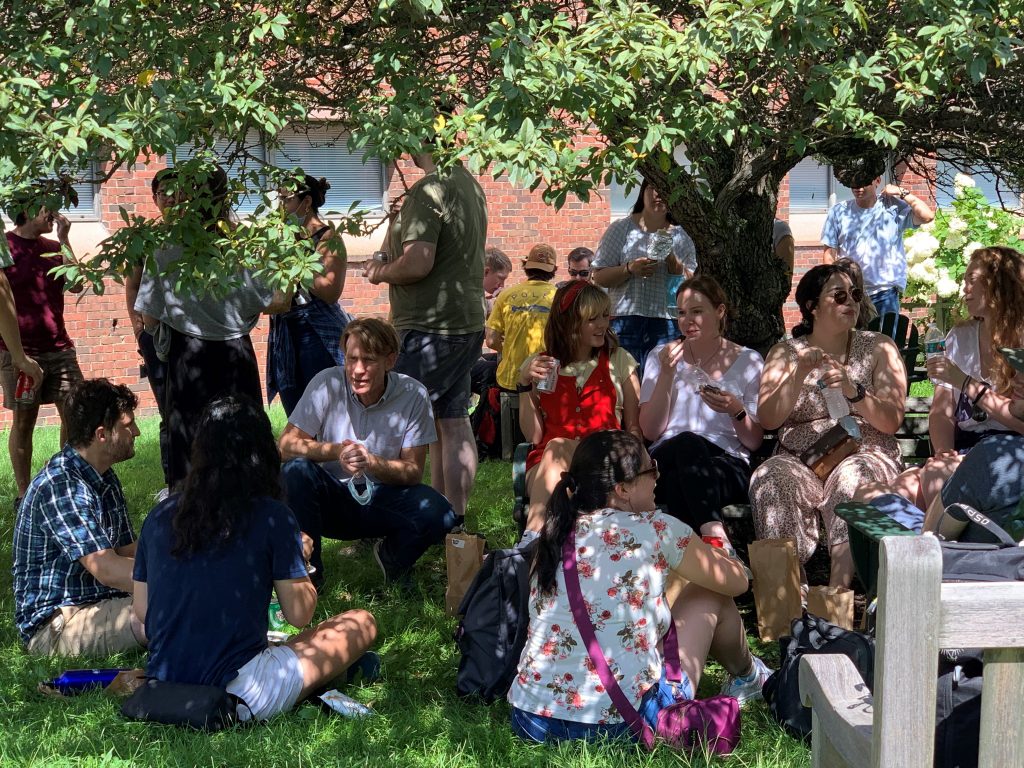
Charlie Barlowe, Department Chair, Biochemistry & Cell Biology, greets incoming MCB students as they get to know BCB faculty, staff, and students over lunch.
See more
August 2021
Henry Higgs Named the John La Porte Given Professor in Cytology
“Henry N. Higgs, PhD, a professor of biochemistry and cell biology at Dartmouth’s Geisel School of Medicine, has been named the John La Porte Given Professor in Cytology.
Higgs, a member of Dartmouth’s faculty since 2001, is a noted biochemist and cell biologist whose research focuses on understanding the mechanisms used by cells to regulate their internal skeletons, commonly known as the cytoskeleton. Recently, his lab has found fascinating links between the cytoskeleton and mechanisms cells use to generate energy.”
(Dean, Timothy. “Henry Higgs Named the John La Porte Given Professor in Cytology.” Geisel Inside, 11Aug. 2021)
Read the full Geisel Insider article.
June 2021
Joseph Magliozzi & Tamutenda Chidawanyika receive 2020
E. Lucile Smith Award for Scientific Excellence in Biochemistry
The Department of Biochemistry & Cell Biology is pleased to announce Joseph Magliozzi and Tamutenda Chidawanyika as the recipients of the 2020 E. Lucile Smith Award for Scientific Excellence in Biochemistry. The Smith Awards honor the ground-breaking career of Dr. E. Lucile Smith, the first woman to attain the rank of Professor of Biochemistry at the Geisel School of Medicine at Dartmouth. Joseph and Tamutenda received this award in recognition of their exceptional research accomplishments during the past year. The Dr. E. Lucile Smith awards are funded by the generosity of Dr. Smith’s nephew Gray Parker, his wife Mary Kay, and the Booth-Bricker Fund.
Joseph Magliozzi is being recognized for his accomplishments as a Ph.D. candidate in the lab of Dr. James Moseley. Joe successfully defended in May 2021 and will formally graduate with this Ph.D. over the summer term. Joe’s research focuses on how a conserved protein kinase Pak1 coordinates polarized growth and cell division. Combining phosphoproteomics with in vitro reconstitution assays, Joe identified novel Pak1 substrates involved in essential cellular processes such as polarized growth and cytokinesis. Mechanistically, Pak1 phosphorylates anillin-protein Mid1 to ensure cytokinesis occurs in the correct place. This work identified novel substrates and functions for Pak1 kinase and the findings were published in the Journal of Cell Biology.
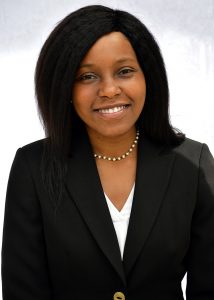
Tamutenda Chidawanyika graduated from Dr. Surachai Supattapone's lab in May 2020 with a Ph.D. in Biochemistry and Cell Biology. As an MD/PhD student, she is currently completing her MD degree as a student at the Geisel School of Medicine at Dartmouth. Tamu's research was focused on identifying novel mediators of hydrogen peroxide-induced cell death in a white blood cell line using a forward genetic screen. Her approach identified essential mediators of iron-dependent hydrogen peroxide-induced cell death. Follow-up of one of the essential mediators, a riboflavin membrane transporter, revealed a novel biological function for the vitamin riboflavin, where riboflavin was found to regulate hydrogen peroxide entry into the white blood cells. This work was published in mBio.
May 2021
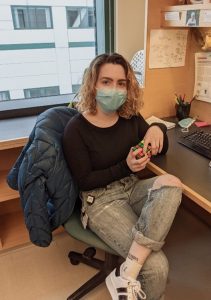
Congratulations to Em Morris, who received a 2021 National Science Foundation (NSF) Graduate Research Fellowship (GRF) in the field of Proteomics. This prestigious fellowship is awarded to exceptional graduate students with the potential to become high-achieving scientists in STEM or STEM education. Fellowship recipients receive three years of financial support, professional development opportunities, and a degree of prestige that will follow them throughout their careers.
Em joined the laboratory of Dr. Scott Gerber as a Ph.D. candidate in the Molecular and Cellular Biology Program in June 2020. Em’s research focuses on the role(s) of NIMA-related kinases in mitosis. Using a combination of targeted protein degradation strategies and phosphoproteomic mass spectrometry, Em and her colleagues aim to analyze the phosphoproteome of kinases throughout the cell cycle.
April 2021
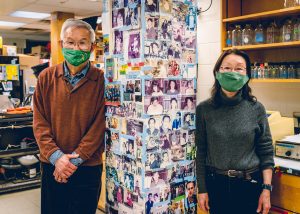
Ta Yuan Chang, PhD Elected to the National Academy of Sciences
Read the Geisel News Article
Election to the National Academy of Sciences (NAS) is one of the greatest achievements a scientist can attain. This prestigious accolade was bestowed on Dr. Ta Yuan Chang, Professor of Biochemistry and Cell Biology at Geisel School of Medicine at Dartmouth. Dr. Chang was elected, along with 119 esteemed scientists across the nation, to join the ranks of 2,461 active members who have made exceptional contributions to science. The NAS is tasked with advising the nation on scientific matters. Together with the National Academy of Engineering and the National Academy of Medicine, this acclaimed group of scholars solves complex problems, informs public policy, increases public knowledge, recognizes contributions, and strengthens education and research. Created by an Act of Congress in 1863, the NAS is valued so highly that its role has been reaffirmed through legislation and executive orders.
Ta Yuan Chang joined the Geisel School of Medicine at Dartmouth in 1976. His scientific contributions in the field of cholesterol homeostasis have led to an increased understanding of atherosclerosis and neurodegenerative diseases.
View the full list of newly elected members at: http://www.nasonline.org/news-and-multimedia/news/2021-nas-election.html
October 2020
Dr. Prachee Avasthi Appointed President of the ASAPbio Board. Please see link below.
https://asapbio.org/new-officers
September 2020
Congratulations Dr. Avasthi for receiving the 2020 Women in Cell Biology Junior Award for Excellence in Research from the American Society for Cell Biology (ASCB). The prestigious award is given each year “to a woman in an early stage of her career who is making exceptional scientific contributions to cell biology, is developing a strong independent research program, and exhibits the potential for continuing at a high level of scientific endeavor and leadership.” The article is featured in the Geisel Insider. Please see link below.
August 2020
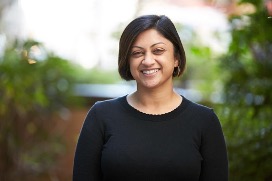
Welcome Dr. Prachee Avasthi!
We are excited to announce that Prachee Avasthi has joined the Department of Biochemistry and Cell Biology. In addition, Prachee brings with her Nick Rosenthal (lab technician), Beth Bauerly (postdoc) and graduate students, Brae Bigge and Larissa Dougherty. Soon to arrive is postdoc, Cameron MacQuarrie. Please join us in welcoming the Avasthi lab!
July 2020
Congratulations to Biochemistry and Cell Biology Academic Promotions 2020
James Moseley, PhD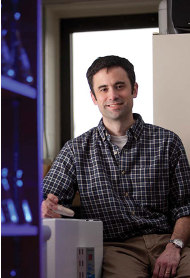
Promotion to Professor with tenure
Dr. Moseley is a cell biologist, studying cell growth as it relates to cell division, addressing questions related to how cells ‘know’ when to divide including mechanisms (e.g., cytokinesis) regulating how they physically separate from each other after division. This is pertinent fundamental knowledge relating to many diseases, including cancer. Defects in both cell cycle progression and cytokinesis lead to a number of human diseases including cancer
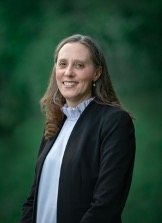
Kristina M. Godek, PhD
Promotion to Principal Research Scientist
Following on her promotion to Senior Research Scientist in 2018, Dr. Godek was recently recognized again by promotion to Principal Research Scientist for her work on aneuploidy, an abnormal number of chromosomes, which is the leading cause of pregnancy miscarriages and birth defects in humans. Her research focuses on understanding the causes and consequences of aneuploidy in human embryonic cells with the goal of developing strategies to prevent aneuploidy and improve the success of reproductive and regenerative medicine therapies.
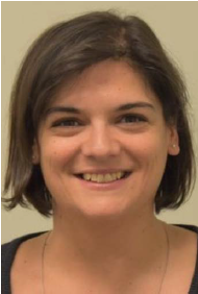
Andreia Verissimo, PhD
Promotion to Senior Research Scientist
Dr. Verissimo serves as lead scientist and manager of the COBRE Center for Biomolecular Targeting (bioMT) Scientific Core Facilities
(MTC and MIIC), which supports the research programs of more than 50 labs within the Dartmouth community. She provides expertise, training opportunities and mentoring to investigators and directs the implementation of an integrated pipeline for production of a wide spectrum of recombinant proteins and investigating biomolecular interactions. Dr. Verissimo is also responsible for the strategic advancement of the cores as institutional and regional resources strengthening the impact of bioMT.
June 2020
Congratulations to the Biochemistry and Cell Biology Program 2020 Graduates!

Mu A, Ph.D. (Higgs Lab)
Research Fellow, Dana-Farber Cancer Institute at Harvard Medical School
Corey Allard, Ph.D. (Moseley Lab)
Postdoctoral Fellow, Department of Molecular and Cellular Biology
Harvard University
Cassandra Burke, Ph.D. (Supattapone Lab)
Life Sciences Associate at Huron
Tamutenda Chidawanyika, Ph.D. (Supattapone Lab)
Medical Student, Geisel School of Medicine at Dartmouth
Justin Cruite, Ph.D. (Kull Lab)
Scientist, Center for Protein Degradation
Dana-Farber Cancer Institute
Jessica DeSimone Warren, Ph.D. (Compton Lab)
Laboratory Instructor, Department of Biological Sciences
Dartmouth College
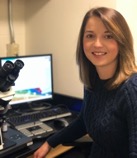
Katherine Schutt, Ph.D. (Moseley Lab)
Postdoctoral Fellow, University of Vermont
May 2020
Congratulations to Brooke Brauer and Kristina Godek, the 2019 recipients of the E. Lucile Smith Award for Scientific Excellence in Biochemistry. The Smith Award recognizes individuals for their exceptional research accomplishments during the past calendar year.
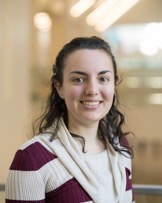 Brooke Brauer is a 5th year Ph.D. candidate in Arminja Kettenbach’s lab. Brooke’s research focuses on identifying novel substrates and interactors for the phosphoprotein phosphatase calcineurin, which plays a crucial role in cardiac function and immune response. Calcineurin binds to its protein partners based on the presence of short linear sequence motifs (SLiMs) in calcineurin regulators and substrates. By combining proteome-wide affinity mass spectrometry with structure based complementarity analysis, Brooke expanded and defined new SLiMs in target proteins that promote interaction with calcineurin. Her approach identified new biological functions for calcineurin and the findings were published in ACS Chemical Biology.
Kristina Godek, Ph.D., is a Principal Research Scientist of Biochemistry and Cell Biology and collaborates with Duane Compton’s lab. Her research addresses fundamental questions about how genomic fidelity is achieved in normal cell physiology and how the loss of genomic fidelity contributes to human diseases such as birth defects and cancer. Kristina’s recent work applied single-cell RNA sequencing on chromosomally unstable glioblastoma cancer stem cell lines to investigate the impact of chromosome copy number on gene expression. Her findings demonstrate that chromosomal instability is responsible for transcriptional heterogeneity in glioblastoma cells and defined a new gene signature that correlates with tumor grade and is prognostic for patient survival. This work was published in BMC Medical Genomics and could facilitate patient treatments.
The Smith awards honor the ground-breaking career of Dr. E. Lucile Smith, the first woman to attain the rank of Professor of Biochemistry at the Medical School and is given through the generosity of Dr. Smith's nephew Gray Parker, his wife Mary Kay, and the Booth-Bricker Fund.
November 2019
Biochemistry and Cell Biology Retreat 2019
This year we were fortunate to host the annual BCB Retreat at the quaint and rustic Killington Grand Resort Hotel. The spectacular views, crisp air, and early snow provided a fantastic backdrop for interacting with colleagues, sharing ideas, and showcasing the department’s latest research advances.
Highlights from the two-day gathering included a Keynote lecture by Dr. Tania Baker from Massachusetts Institute of Technology. Her current research explores mechanisms and regulation of enzyme-catalyzed protein unfolding, ATP-dependent protein degradation and remodeling of the proteome during cellular stress responses.
The retreat also provided an opportunity for our up and coming Ph.D. students and post-docs to take the stage. Noor Taher, a grad student in the Madden Lab, gave a fantastic talk describing the characterization of CFTR inhibitory Factor-like Proteins from Burkholderia cenocepacia.
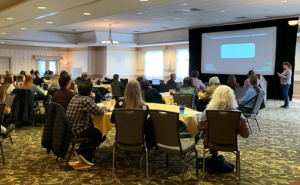 Likewise, post-docs, Kristi Miller (Moseley Lab) and Raj Chakrabarti (Higgs Lab), presented exciting talks on cell polarity and mitochondrial dynamics, respectively. Not to be outdone, and rounding out the session, we also heard from Kristina Godek (Compton Lab), Cathy Chang (Chang Lab), and faculty members Chris Shoemaker, Arminja Kettenbach and Bill Wickner from the eponymous Shoemaker, Kettenbach, and Wickner labs.
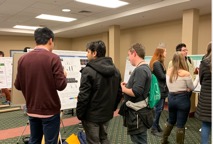 The retreat also included a record-setting poster session, 33 in total. Not only was the session well attended, the setting provided a wonderful atmosphere for exchange of scientific ideas, social interaction, and laughter.
Lastly, we would be remiss if we did not acknowledge the hard work and efforts of Ashley, Rae, Emily and Lydia in planning the retreat and ensuring it ran smoothly. With that in mind, we look forward to the 2020 BCB Retreat.
October 2019
 Congratulations to Biochemistry and Cell Biology graduate student Tak Shun Fung for his selection as a 2019 John H. Copenhaver, Jr. and William H. Thomas, MD 1952 Fellow. The Copenhaver Fellowship is awarded to a fourth or fifth year Ph.D. student “who best exemplifies the qualities of a scholar through a demonstrated record of accomplishment and a commitment to the pursuit of new knowledge.” Tak Shun is conducting his thesis research with Professor Harry Higgs where he has defined two distinct actin filament populations that influence mitochondrial dynamics through INF2- and Arp2/3-dependent pathways. In his nomination letter, Higgs states that “Tak Shun’s accomplishments over the past two years have resulted in a fundamentally new understanding of how mitochondria communicate with the cytoplasm in mammalian cells.” The Copenhaver fellowship will provide stipend support for the 2019-20 academic year.
June 2019
Graduating Biochemistry and Cell Biology Ph.D. student Morgan Gilman received the 2019 John W. Strohbehn Award for Excellence in Biomedical Research at Dartmouth. During the investiture ceremony for the Guarini School of Graduate and Advanced Studies, the Geisel School of Medicine announced Morgan as this year’s recipient for outstanding accomplishments during her thesis research. “The John W. Strohbehn medal is presented annually to a graduating Ph.D. student that best exemplifies the qualities of a scientific scholar. Someone who possesses personal qualities of intellectual curiosity, dedication, and commitment to the pursuit of new scientific knowledge and to teaching, as well as a sense of social responsibility to the research community.”
Morgan had an exceptionally productive graduate career with eight publications from her thesis work in Jason McLellan’s lab. Many of her studies were published in the fields top journals including Science, Science Immunology, PLoS Pathogens and Nature Communications. Morgan plans to conduct her postdoctoral work with Andrew Kruse at Harvard Medical School where she will combine structural biology with approaches to design novel antibiotics that target bacterial cell wall synthesis.
April 2019
 Congratulations to Corey Allard and Elaina Melton who received the 2018 E. Lucile Smith Award for Scientific Excellence in Biochemistry. This annual Award recognizes an outstanding graduate student and postdoctoral research associate for their demonstrated research accomplishments and contributions to our academic community.
Corey Allard is a Ph.D. candidate in Jamie Moseley’s Lab. His work focuses on the long-standing question of how cells are able to sense and control their own size. He has shown that the spatial positioning of different signaling molecules helps the cell to measure its own geometry from the inside. These same molecules can be rearranged to help reprogram cell size in response to stresses like starvation.
Elaina Melton, a postdoctoral research associate in TY Chang’s Lab, focuses on investigating the relationship between cholesterol metabolism and inflammation in mouse models of Atherosclerosis and Obesity. Elaina has accepted a Research Assistant Professor position in the Center for Molecular and Translational Medicine at Georgia State University.
This award honors the ground-breaking career of Dr. E. Lucile Smith, the first woman to attain the rank of Professor of Biochemistry at the Medical School and is given through the generosity of Dr. Smith's nephew Gray Parker, his wife Mary Kay, and the Booth-Bricker Fund.
April 2019
 Congratulations to Natasha Mariano who was awarded a 2019 National Science Foundation Graduate Research Fellowship (NSF-GRF) in the field of Proteomics. NSF Fellows are graduate students anticipated to become knowledge experts who can contribute significant research to their field of study. With this fellowship, students benefit from three years of full financial support as well as opportunities for professional development and international research.
Natasha joined the laboratory of Dr. Arminja Kettenbach as a Ph.D. candidate in the Molecular and Cellular Biology Program in 2018. Her research focuses on characterizing the role of phosphoprotein phosphatases in mammalian cells, particularly in the context of the DNA damage response system. She is also investigating novel therapeutic targets for Triple-negative Breast Cancer subtypes using mass spectrometry-based, proteomic approaches.
March 2019
 Congratulations to Adrianna De La Torre on receiving an F31 Kirschstein National Research Service Award (NRSA) from the National Institutes of Health. Adrianna is a Ph.D. candidate in the Molecular and Cellular Biology Graduate Program and conducts her thesis work in the laboratory of Dr. TY Chang. Adrianna’s research involves testing the effectiveness of a new nanoparticle system that encapsulates a potent small molecule cholesterol storage inhibitor to treat Alzheimer's disease (AD). The award will support her research training using a mouse model for the disease and the outcome may provide a new therapeutic for AD as well as potential treatments for other neurodegenerative diseases.
November 2018
Chris Shoemaker, PhD
With his broad interest in science, Chris Shoemaker, PhD, could easily have ended up specializing in any number of areas within biomedical research. "A lot of the grad students I went to school with seemed to know exactly what they wanted to focus on; by contrast, every time I'd hear about the science someone was doing I'd think, 'I want to do that,'" recalls Shoemaker, with a laugh. Read more...
November 2018
Dean Madden, PhD
When it comes to research, Dean Madden, PhD, finds beauty in small things. A professor of biochemistry and cell biology, Madden's interests lie in understanding the fundamental characteristics of ion channels in terms of their molecular structures and their interactions with protein partners. Read more...
October 2018
Life Sciences Symposium Program Announced
Registration for the 2018 Dartmouth Symposium for the Life Sciences, “Cell Polarity Across the Diversity of Life” is now open. The symposium program will focus on cell polarity mechanisms that underlie cellular structure and function in virtually every cell type from simple bacteria to multicellular humans. Read more...
August 2018: Madden Launches DartCF
Dean Madden, Professor of Biochemistry and Cell Biology and Director of the COBRE Institute for Biomolecular Targeting, has received a new NIH program project award to establish the Dartmouth Cystic Fibrosis Research Center (DartCF). Read more...
November 2017
 Dartmouth’s School of Graduate and Advanced Studies (GRAD) will be publishing a series of profiles featuring postdocs using the Proust questionnaire. Lorna Young, a postdoc in the Higgs Lab in Biochemistry and Cell Biology, is the newly-elected President of the Dartmouth College Postdoctoral Association, and is the first featured postdoc. Read more...
July 2017
 Morgan Gilman, a fourth-year graduate student in the McLellan Lab at Geisel, is helping lead efforts to understand how a particular type of protein allows deadly viruses—such as Ebola and RSV (respiratory syncytial virus)—to gain entry into host cells, and how antibodies can be developed to neutralize that process. Read more...
June 2017
 As a child in Zimbabwe, Tamutenda Chidawanyika saw many people afflicted by illness and unable to get the treatment they needed. Infectious diseases were widespread, she says; HIV, in particular, was rampant. "The country was economically and politically stable at the time, but nevertheless lots of people didn't have access to health care, and seeing that fueled my desire to go into medicine." Read more...
June 2017
 William Wickner, MD, a professor of biochemistry and cell biology at the Geisel School of Medicine, has received the William C. Rose Award, which recognizes outstanding contributions to biochemical and molecular biological research and a demonstrated commitment to the training of younger scientists. Read more...
May 2017
 Charles Barlowe, PhD, chair and professor of biochemistry and cell biology at the Geisel School of Medicine, has been named the James C. Chilcott 1920 Professor. Barlowe is a fellow of the American Association for the Advancement of Science, a fellow of the American Academy of Microbiology, and a 2007 National Institutes of Health MERIT awardee. Read more...
April 2017
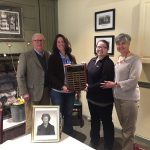 Biochemists Morgan Gilman (McLellan lab) and Kelli Hvorecny, PhD '17 (Madden lab) were each awarded the E. Lucile Smith Award for Excellence in Biochemistry for their work in 2016. Morgan is a 4th year PhD student in Jason McLellan's lab, and Kelli completed her PhD in Dean Madden's lab this spring.
Morgan and Kelli were presented with their awards at the annual Smith Awards Luncheon held at the Norwich Inn on Friday, April 21, 2017. This annual award is given through the generosity of Dr. Smith’s nephew Gray Parker, his wife Mary Kay, and the Booth-Bricker Fund.
December 2016
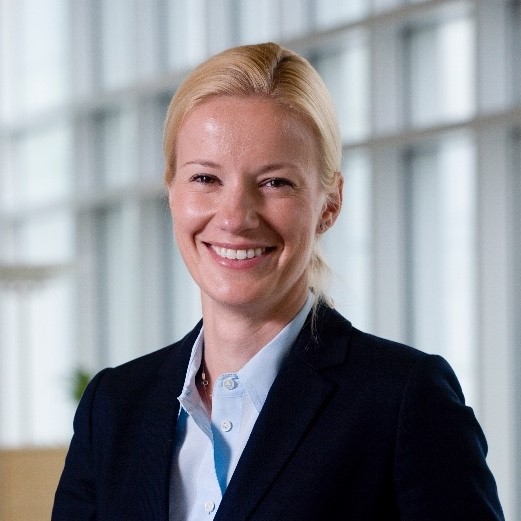 Assistant Professor of Biochemistry and Cell Biology, Arminja Kettenbach, receives prestigious awards from the NIH and the V Foundation for Cancer Research. Read more...
December 2016
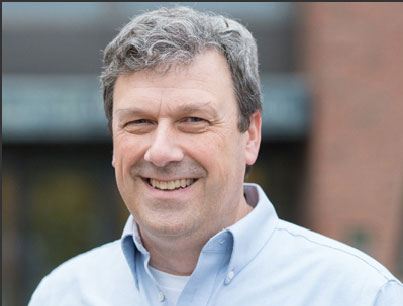 Dartmouth Provost names Biochemistry and Cell Biology professor, Dean Madden, to position of Vice Provost for Research. Read more...
November 2016
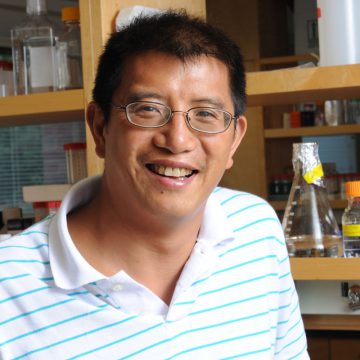 Surachai Supattapone Named Fellow of the American Association for the Advancement of Science - Surachai Supattapone, MD, PhD, a professor of biochemistry and cell biology at the Geisel School of Medicine, is among four Dartmouth professors named fellows of the American Association for the Advancement of Science (AAAS), the world’s largest general scientific society and the publisher of the journal Science. Read more...
August 2016
 NIH Funds Dartmouth Study of Cellular Disease Processes - The five-year, $12.45 million grant supports an interdisciplinary project for junior faculty. Read more...
July 2016
 Lorna E. Young of the Department of Biochemistry, Geisel School of Medicine at Dartmouth, was named by the Molecular Biology of the Cell (MBoC) Editorial Board as recipient of the 25th annual MBoC Paper of the Year Award. Read More...
May 2016
 Structural biologist Jason McLellan, PhD, an assistant professor of biochemistry at Geisel, is doing groundbreaking research on viral proteins that is providing new insights into deadly outbreaks such as Ebola and MERS-CoV. Read More...
June 2015
 Ruth V. Kabeche, Ph.D. '15 was awarded the 2015 John W. Strohbehn Medal for Excellence in Biomedical Research at the inaugural Graduate Investiture Ceremony on June 13. The Strohbehn Award goes to a graduating Ph.D. candidate from one of the degree-granting programs in the Geisel School of Medicine who best exemplifies qualities of a scientific scholar-intellectual curiosity, dedication, and commitment to the pursuit of new scientific knowledge and to teaching-as well as a sense of social responsibility to the research community.
We in Biochemistry are very proud of Ruth's research and accomplishments. She joined the Moseley lab in June 2011 and published a first-author paper the following November [The filament-forming protein Pil1 assembles linear eisosomes in fission yeast. Kabeche R, Baldissard S, Hammond J, Howard L, Moseley JB. Mol Biol Cell. 2011 Nov;22(21):4059-67. doi: 10.1091/mbc.E11-07-0605. Epub 2011 Sep 7], followed by another first-author paper [A Pil1-Sle1-Syj1-Tax4 functional pathway links eisosomes with PI(4,5)P2 regulation. Kabeche R, Roguev A, Krogan NJ, Moseley JB. J Cell Sci. 2014 Mar 15;127(Pt 6):1318-26. doi: 10.1242/jcs.143545. Epub 2014 Jan 16)] and a second-author paper with lab mate Lin Deng [Megadalton-node assembly by binding of Skb1 to the membrane anchor Slf1. Deng L, Kabeche R, Wang N, Wu JQ, Moseley JB. Mol Biol Cell. 2014 Sep 1;25(17):2660-8. doi: 10.1091/mbc.E14-04-0896. Epub 2014 Jul 9]. (See April 2015 post below.) Ruth also was selected for NIH-funded traineeship Molecular and Cellular Biology at Dartmouth training grant during her third and fourth years of graduate study, and this past year was awarded a 2014 ASM Robert D. Watkins Graduate Research Fellowship from the American Society of Microbiology. In September Ruth will begin a postdoctoral assignment in Arshad DeSai's laboratory in the Ludwig Cancer Institute at UC San Diego, not only an excellent choice of opportunity, but also an enviable choice of climate.
The Strohbehn Award honors former Thayer School Professor and Dartmouth Provost Strohbehn, and Ruth joins several other Biochemistry graduates with Strohbehn Medals, among them Gary Fanger (1995), Bill Belden (2002), Neil Ganem (2006), Liz Harris (2007), Peter Belenky (2009), and Jeanine Amacher (2014).
April 2015
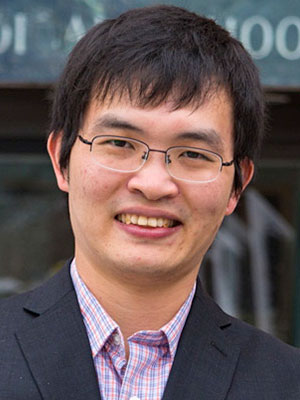 Lin Deng, PhD '15, (Moseley lab) has received the Chinese Government Award for Outstanding Students Abroad in recognition of his academic accomplishments here at Dartmouth. His award was presented in a ceremony at the Chinese Consulate General in New York City on April 17. Read More...
April 2015
 Jeanine F. Amacher, PhD '14, (Madden lab) and currently postdoc in the UC Berkeley laboratory of HHMI Investigator John Kuriyan, has been awarded a Jane Coffin Childs Fund Fellowship for 2015-2018.
April 2015
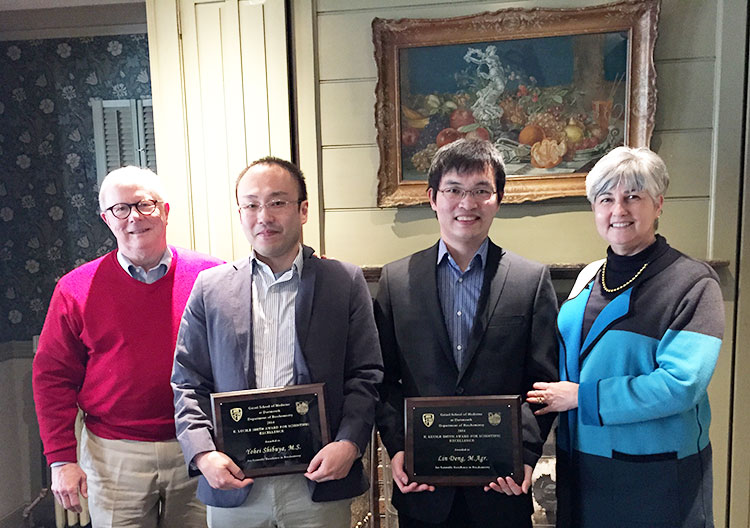
Lin Deng (Moseley lab) and Yohei Shibuya (Chang lab), both PhD '15 were presented with their E. Lucile Smith Awards for Excellence in Biochemistry for their work during 2014 at the annual Smith Awards Luncheon at the Norwich Inn on Friday, April 3, 2015. This annual award is given through the generosity of Dr. Smith's nephew Gray Parker, his wife Mary Kay, and the Booth-Bricker Fund.
June 2014
Jeanine F. Amacher, Ph.D. '14 was awarded the 2014 John W. Strohbehn Medal for Excellence in Biomedical Research at the Geisel Class Day ceremony on June 7. The Strohbehn Award honors Thayer School Professor and former Dartmouth Provost Strohbehn, who passed away on February 22, 2007. The award goes to a graduating Ph.D. candidate from one of the degree-granting programs in the Geisel School of Medicine who best exemplifies qualities of a scientific scholar—personal qualities of intellectual curiosity, dedication, and commitment to the pursuit of new scientific knowledge and to teaching, as well as a sense of social responsibility to the research community.
Jeanine has accepted a postdoctoral position with Prof. John Kuriyan at UC Berkeley - one of the premier research groups in the country, and is thus poised for a stellar academic trajectory. We are very proud of her. She joins a cadre of Biochemistry graduates who have won a Strohbehn, including Gary Fanger (1995), Bill Belden (2002), Neil Ganem (2006), Liz Harris (2007), and Peter Belenky (2009).
June 2014
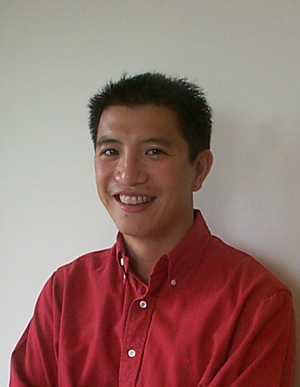 Biochemistry Professor Surachai Supattapone has been named to the Geisel Academy of Master Educators for 2014. Supattapone joined the Biochemistry Department in 2001. He has directed and taught courses for both medical and graduate students, and has received several student teaching awards. He is also the Director of the Masters Program in Clinical Translational Research.
April 2014
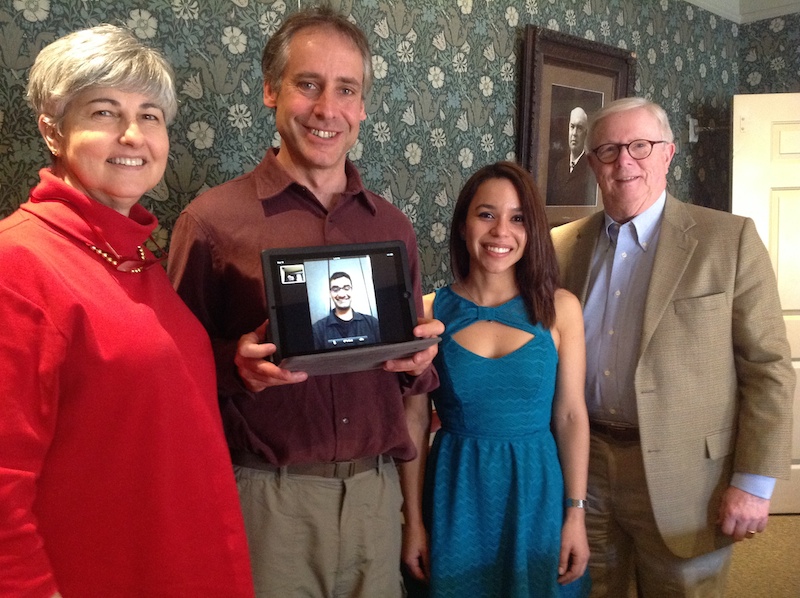
Biochemists Lilian Kabeche and Vinay Ramabhadran were awarded the E. Lucile Smith Award for Excellence in Biochemistry for their work in 2013. Both awardees are Ph.D. graduates from Biochemistry laboratories: Vinay in 2012 and Lily in 2013.
Lily is a postdoctoral research associate in Scott Gerber's lab in the Norris Cotton Cancer Center. She was nominated by her thesis advisor Duane Compton, and is the first author of "Cyclin A regulates kinetochore microtubules to promote faithful chromosome segregation." [Kabeche L, Compton DA. Nature. 2013 Oct 3;502(7469):110-3. doi: 10.1038/nature12507. Epub 2013 Sep 8.] Beyond her scientific success, Lily has been an active member of the Biochemistry program and Dartmouth Graduate Studies. She has been an active participant in the annual Biochemistry program retreat. She presented her work in a talk at this meeting a couple years ago. She has also been dedicated in helping the Dartmouth Office of Graduate Studies in the recruitment of underrepresented minorities, efforts that are crucial to increasing the diversity of the student population.
Vinay, nominated by his thesis advisor Harry Higgs, was selected on the basis of his predoctoral work that resulted not only in his own first-author paper, but also for providing extensive groundwork and insight for papers first-authored by his lab mates. [Ramabhadran, Hatch & Higgs (2013) J. Biol. Chem; Korobova, Ramabhadran & Higgs (2013) Science; Ramabhadran, Gurel & Higgs (2012) J. Biol. Chem.; Ramabhadran, Korobova, Rahme & Higgs (2011) Molec. Biol. Cell.; and Chhabra, Ramabhadran, Gerber & Higgs (2009) J. Cell. Sci.] In addition to functioning as a senior scientist in his lab, Vinay served on the MCB Graduate Committee and an active member of Dartmouth's Cricket Club and its Indian student organization, Shanti. He is currently doing postdoctoral research with Dr. Ralph Eisberg at Tufts and the Howard Hughes Medical Institute. Vinay is the first Smith awardee to receive his award electronically via Skype from India, where he was traveling at the time of the awards ceremony on April 11.
The E. Lucile Smith Award for Scientific Excellence in Biochemistry was established in the Dartmouth Medical School Department of Biochemistry by its Chair, T. Y. Chang, on December 14, 2004 to honor the memory of Dr. E. Lucile Smith, a distinguished member of the Biochemistry faculty who passed away on December 6, 2003 at 90 years of age. The Smith Award recognizes excellence in both predoctoral and postdoctoral research in the Biochemistry Program, as well as active participation in Biochemistry Program activities during the year. Nominations are solicited from faculty in the Program. Awardees receive a plaque and a cash prize, and their names are engraved on a perpetual plaque on display in the Biochemistry Vail 4 conference room.
The Biochemistry Department is very grateful to Gray and Mary Kay Parker and to the Booth-Bricker Fund for their generous support of this award program. Gray Parker is the nephew of Dr. Smith, and through him we are able to keep her memory alive and recognize her spirit in our graduate students and postdocs.
August 2013
Anda Zhang, a Biochemistry graduate student in Larry's Myers' lab, has been named a 2013 John H. Copenhaver, Jr. and William H. Thomas, MD 1952 Fellow. In her fifth year of graduate study, Anda studies epigenetic gene regulation and morphological switching in C. albicans.
July 2013
 Duane Compton, Biochemistry Professor and Senior Associate Dean for Research at the Geisel School of Medicine, has been recognized for his research on the mechanisms of chromosome segregation though a MERIT ("Method to Extend Research in Time") Award from the National Institutes of Health's National Institute of General Medical Sciences. The award's main purpose is to encourage continued creativity by providing an opportunity to gain up to ten years of continued grant support and will relieve Dr. Compton from having to complete frequent grant renewal applications. The award, split into two parts: an initial five-year award followed by an opportunity to extend the award three to five years based on a review of the researcher's accomplishments during the initial period, provides long-term stable support to select investigators who demonstrate "superior competence and outstanding productivity during their previous research endeavors" For Dr. Compton, the award reflects the hard work of colleagues in his lab. "It's an honor for me," he says, "but it's an honor that I share with the students and fellows that have worked in my laboratory who have done so much to contribute to our success." For more information, click here.
May 2013
 Dean Madden, Biochemistry Professor and Associate Director of the Dartmouth Lung Biology Center, was named to the Geisel School of Medicine Academy of Master Educators at the Dean's State of the Medical School address on May 30. Dr. Madden was nominated by fellow faculty for this recognition for his demonstrated commitment to excellence in teaching and medical education. For more information, click here.
April 2013
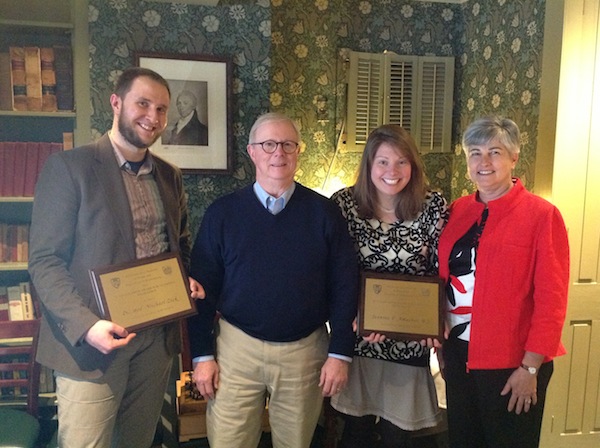
Biochemists Michael Zick and Jeanine Amacher were awarded the E. Lucile Smith Award for Excellence in Biochemistry for their work in 2012. Michael is a postdoctoral research associate in Bill Wickner's lab. He is the first author of "Phosphorylation of the effector complex HOPS by the vacuolar kinase Yck3p confers Rab nucleotide specificity for vacuole docking and fusion," published in Molecular Biology of the Cell in September 2012. Click here for the article. Jeanine is a fifth-year graduate student in Dean Madden's lab. She is first author of "Stereochemical determinants of C-terminal specificity in PDZ peptide-binding domains: a novel contribution of the carboxylate-binding loop," e-published in December 2012 and in the Journal of Biological Chemistry in February 2013. Click here for the article. Both Jeanine and Michael are also well known for their active participation in the Biochemistry Program. Michael was a group leader in the 2012 scientific integrity training for first-year graduate students at Dartmouth College, and Jeanine is co-founder of the Principal Investigators Training (PIT) group that provides support and education for graduate students whose goal is to someday be a faculty researcher with their own lab group.
The E. Lucile Smith Award for Scientific Excellence in Biochemistry was established in the Dartmouth Medical School Department of Biochemistry by its Chair, T. Y. Chang, on December 14, 2004 to honor the memory of Dr. E. Lucile Smith, a distinguished member of the Biochemistry faculty who passed away on December 6, 2003 at 90 years of age. The Smith Award recognizes a graduate student and a postdoctoral research associate in the Biochemistry Program who have best demonstrated scientific excellence during the calendar year. Nominations are solicited from faculty in the Program. Each nominee must be the main author on a significant publication or manuscript that has been published or accepted for publication in the year of the award. In addition, he or she must show active participation in Biochemistry Program activities during the year. Awardees receive a plaque and a cash prize, and their names are engraved on a perpetual plaque on display in the Biochemistry Vail 4 conference room.
The Biochemistry Department is very grateful to Gray and Mary Kay Parker and to the Booth-Bricker Fund for their generous support of this award program. Gray Parker is the nephew of Dr. Smith, and through him we are able to keep her memory alive and recognize her spirit in our graduate students and postdocs.
April 2013
Biochemistry graduate student Anna Hatch (Higgs lab) has been awarded a P.E.O. Scholar Award for 2013-2014 from the Sisterhood of Philanthropic Educational Organization (P.E.O.). Headquartered in Des Moines, IA, the group's mission is to promote educational opportunities for women. Anna is a 4th generation recipient of this award, which consists of a check that she can use for any educational expense. She and her mentor have determined that she will use the funds to attend professional meetings related to the research work she is doing for her Ph.D. program. For more information about P.E.O. click here.
August 2012
Graduate student Lilian Kabeche (Compton lab) was awarded the Copenhaver-Thomas Fellowship for academic year 2013.
July 2012
Biochemistry Professor Duane A. Compton is one of 16 Geisel School of Medicine faculty named inaugural members of the school's Academy of Faculty Master Educators. Compton, who also is the Medical School's Senior Associate Dean for Research, joined the Biochemistry Department in 1993. Since that time he has directed and taught courses for both medical and graduate students. He is the principal investigator for the NIH training grant administered through that department and has served the Norris Cotton Cancer Center as Director of the Cancer Mechanisms Program and the Associate Director for Basic Sciences. He has published more than 75 scientific publications in journals such as Cell, Science, Nature, EMBO, Journal of Cell Biology, Journal of Cell Science, and Journal of Biological Chemistry.
April 2012
Professor William Wickner was selected to deliver the Max Gruber Lecture at the University of Groningen. Read more...
April 2012
Professor Dean Madden received graduate student mentoring award. Read more...
April 2012
Graduate student Anna Hatch (Higgs lab) was awarded an NSF Graduate fellowship. Read more...
April 2012
Graduate student Christopher Bahl (Madden lab) and postdoctoral research associate Hao Xu (Wickner lab) were selected to receive the 2011 E. Lucile Smith Awards for Excellence in Biochemistry.
March 2012
Professor Charles Barlowe was elected to the rank of Fellow of American Academy of Microbiology. Read more...
February 2012
Professor William Wickner was selected by The Molecular Biology Institute at UCLA to present the David S. Sigman Memorial Lecture. Poster • Read more...
December 2011
Two Biochemistry faculty have been recognized this month for their excellence in research and in mentoring.
Professor and Senior Associate Dean for Research Duane Compton has been named a Fellow of the American Association for the Advancement of Science. Dr. Compton's research focuses on mechanisms of chromosome segregation during cell division in human cells and the effects of chromosomal instability in human tumor cells. His work is published in leading journals internationally. Read more...
At its annual poster session on December 12, the Dartmouth College Post Doc Association awarded Biochemistry Assistant Professor James Moseley the 2011 Post Doc Mentorship Award for a junior faculty member. Dr. Moseley joined the Biochemistry faculty in August 2009 and has already established himself as a strong and effective mentor. Read more...
September 2011
Professors Surachai Supattapone and Lee Witters were chosen by the Geisel School first-year medical students to receive 2011 Excellence in Education awards. Dr. Supattapone's award was for Distinguished Small Group Leader, and Dr. Witters' was for Distinguished Lecturer.
July 2011
Biochemistry Assistant Professor James B. Moseley has been recognized by The Pew
Charitable Trusts as a 2011 Pew Scholar in the Biochemical Sciences. This award
includes funding of $240,000 in support of Dr. Moseley's research on the cell
size and shape as determinants of cell reproduction. For more information, read the full article.